For over a decade, I spent countless dollars on sprays, oils, and creams—always searching for that perfect blend of calm, healing, and glow. But every time I walked by a bouquet of roses or chamomile, I’d feel a little nudge inside whispering, “What if you made your own?“
This past week, I finally did it.
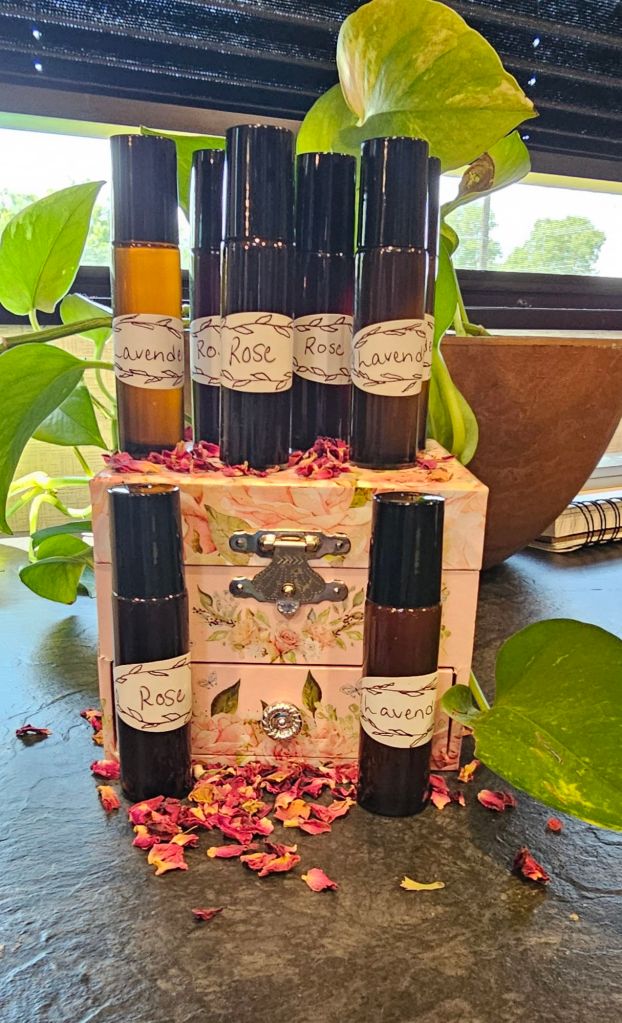
I took that leap and made my very first herbal tonics using two of my favorite botanicals: rose and lavender. It was simpler than I expected—and far more rewarding. Whether you’re a seasoned DIY-er or someone who’s just herbal-curious, I want to share what I did so you can try it too.
✨ What Are Herbal Tonics?
Herbal tonics are water-based infusions made with herbs and flowers. Depending on what you use, they can be calming, hydrating, anti-inflammatory, or simply aromatherapeutic. They’re most often used as facial mists, hair rinses, or even room sprays.
🌸 Why I Chose Rose & Lavender
- Rose: Known for its soothing, hydrating, and heart-opening properties. It’s a classic for skincare and self-love rituals.
- Lavender: Calming, antibacterial, and beautifully aromatic. Great for both skin and the nervous system.
🛠️ What You’ll Need
- Dried rose petals (organic if possible)
- Dried lavender buds
- A heat-safe glass jar or bowl
- Boiling water
- Fine mesh strainer or cheesecloth
- A clean glass spray bottle or container
- (Optional) Witch hazel or aloe vera juice for extra skin benefits
- (Optional) A few drops of essential oil for scent boost
- (Optional) A preservative such as Germaben or Vodka.
🌿 Step-by-Step: How to Make a Simple Herbal Tonic
- Prepare Your Herbs
- Use about 1/2 cup of dried rose petals and/or lavender buds per cup of distilled water. You can do a single-herb infusion or blend them together (which I loved!).
- Boil the Water
- Allow the herbs to simmer in the distilled water for about 25 minutes, or until all the color bleeds out of the petals. Let it cool to room temperature.
- Once cooled, strain the mixture through a fine mesh sieve or cheesecloth into a clean bowl to remove all the petals and buds.
- Add Ingredients
- Add 2–6 drops of essential oil (such as rose or lavender). Then add 2–6 drops of a carrier oil like jojoba or aloe. Stir in 1 tablespoon of witch hazel and 1/8 teaspoon of Germaben. Mix everything well.
- Bottle It Up
- Pour your finished tonic into a clean glass spray bottle. You can also pour some into a roll-on container for easy, on-the-go use.
- Store
- If made without preservatives, store in the fridge and use within 7–10 days. The cool mist feels amazing on your face in the morning or after a long day. If you include both witch hazel and Germaben, your concoction can last up to 2 years.
💡 Tips & Ideas
- Want it to last longer? Add a natural preservative like leucidal liquid or keep it in small batches.
- Use it as a facial mist, linen spray, or even a calming toner before bed.
- Get creative! Try adding chamomile, calendula, rosemary, or green tea next time.
💬 So what do you think?
Making my own herbal tonics was more than just a skincare experiment—it felt like a reclamation. A quiet reminder that I can create beauty and healing with my own two hands. If you’ve been curious about going DIY with your herbal care, I wholeheartedly encourage you to try.
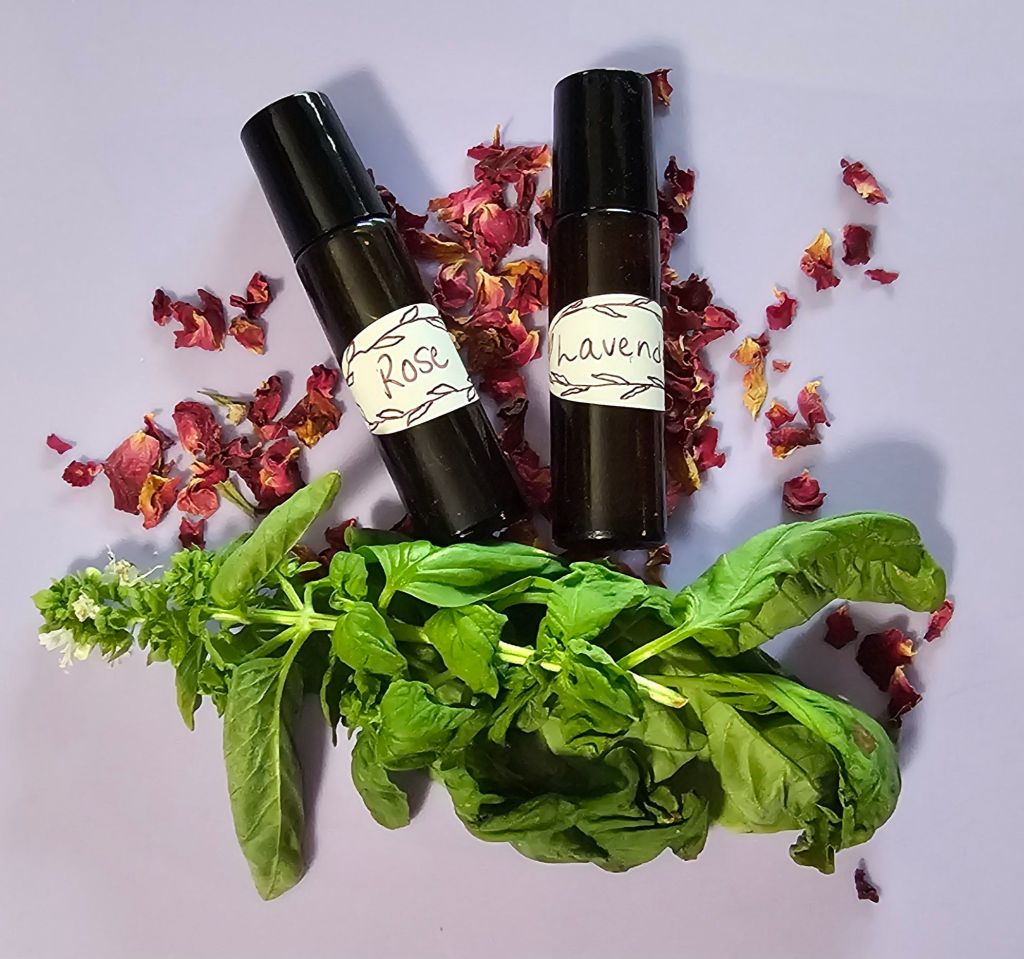
Start simple. Trust yourself. Your skin (and spirit) will thank you. You can find these already made and packaged herbal tonics on my giftshop!
 Poetic Earth
Leave a comment